
Tuesday, December 9th, 2025 | By
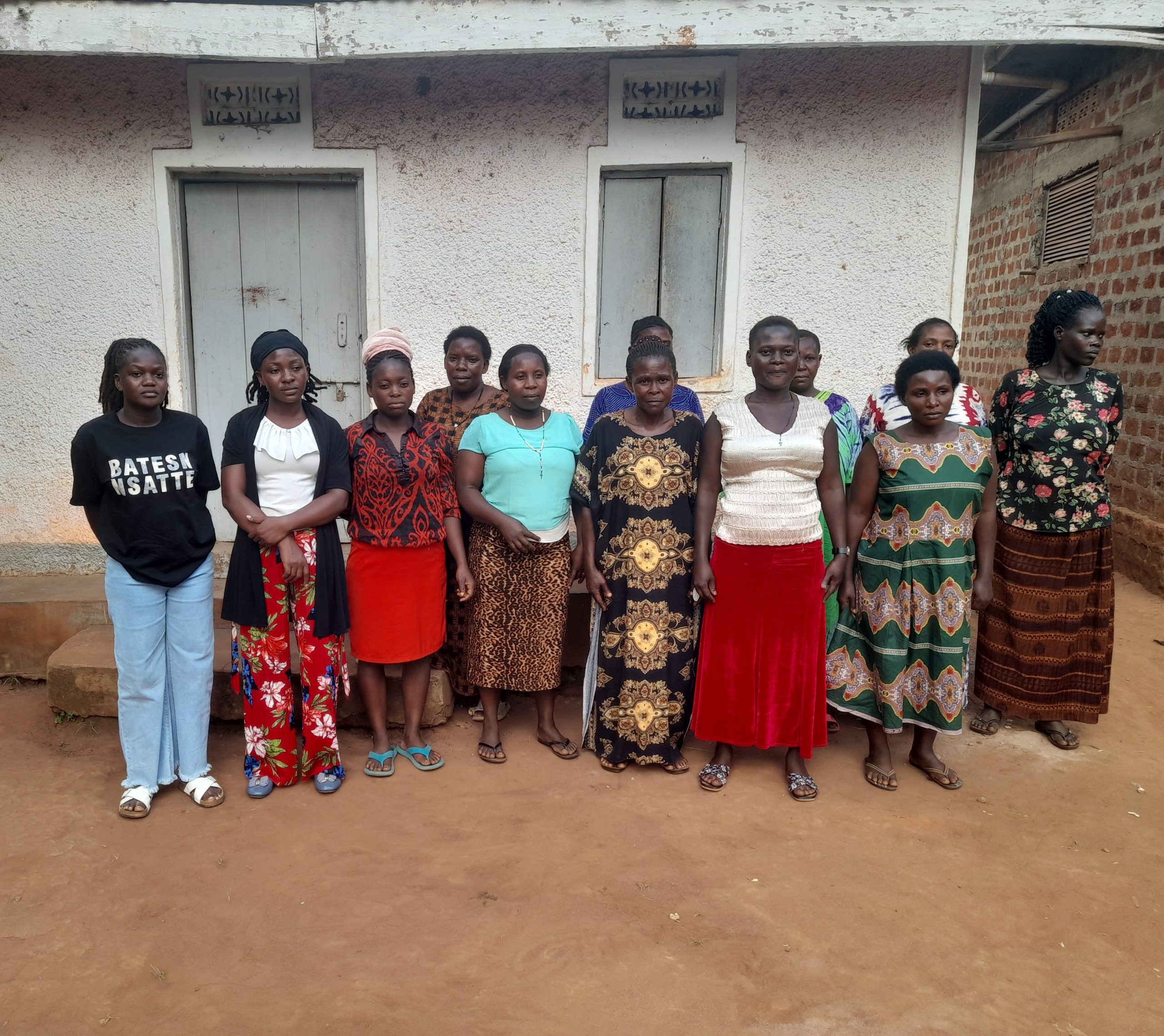
There are increasing concerns over the increased cases and incidents of gender based violence associated with the East African Crude Oil Pipeline (EACOP) project in Kiboga and Kyankwanzi districts in central Uganda.
Ms. Nakaweesi Juliet, a resident of Lwanda Village in Kiboga district says her relationship with the husband became sour after they were compensated.
“My husband disappeared after l repeatedly asked about the money, leaving me with so many responsibilities,” Nakaweesi told our reporter.
Ms. Nakaweesi says the grace cultivation period is almost over since construction of the pipeline is on and is worried of how she will feed the children.
“l tried to involve the local leaders about this matter, but l didn’t get the justice l hoped for,” she added.
64 year old Kunihira Edinasi, a resident of the same place says she is leaving in fear after her land title was taken by government.
Kunihira is also among those affected by EACOP and her land title was taken with a promise of a swift return, but the wait still continues.
The land title was taken to adjust the portion affected, but it’s now 4 years and still hasn’t been returned.
“I’m worried they might take all my land. I have always used my title as security to borrow money”, she explained.
Kunihira says she attempted to connect with the EACOP officials but sadly she hasn’t received any feedback yet.
She says the compensation she received back then was really minimal compared to the cost of living now since most of properties like a house, trees and other properties were undervalued.
“The government’s support has been quite lacking, leaving us feeling overlooked and uncertain about the whole process”, she added.
Like Nakaweesi and Kunihira, many more women are bearing the weight of taking care of families that they initially shared with their spouses.
Ms. Lydia Nanjere of Kigoma in Kyankwanzi district says she has now spent over a year as a sole family caretaker. He husband disappeared after receiving compensation.
“The day he got money is the last day I saw him. I last heard that he had married another woman in the trading center”, a seemingly depressed Nanjere narrated.
The women say their only hope is in the voice that they raise through the Community Green Radio. The radio has consistently amplified their voices far and wide. They have hope that well-wishers and government will come to their aid after listening to their repeated cries.
The women are appealing to government to quickly intervene and mediate for harmonious living.
COMPILED BY JOAN NTEZA
Copyright ©2026 Community Green Radio . All Rights Reserved. Designed : Lwegatech