
Thursday, July 23rd, 2026 | By
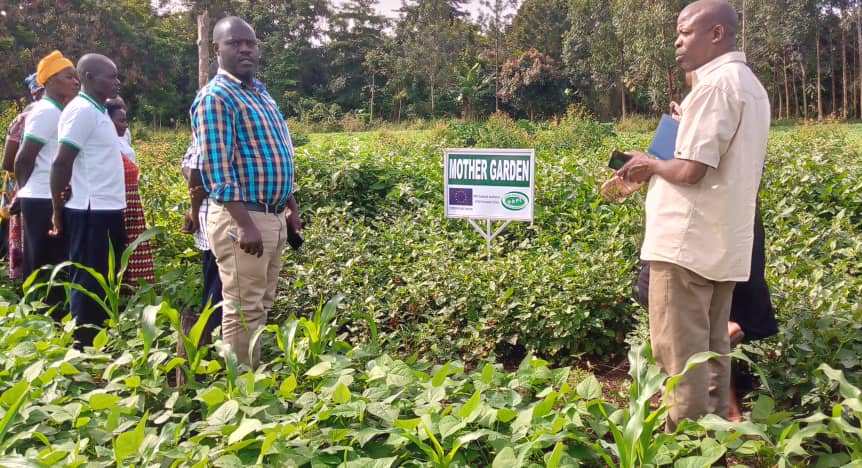
Climate change is becoming one of the biggest challenges facing Uganda, with its effects being felt in both rural and urban communities. Rising temperatures, prolonged droughts, unpredictable rainfall, floods, and environmental degradation are affecting agriculture, food security, water resources, and people’s livelihoods.
For many years, Uganda enjoyed relatively predictable weather patterns that allowed farmers to plant crops according to the seasons. Today, however, rainfall has become increasingly unreliable. Some areas experience long dry spells, while others receive heavy rainfall that causes floods and destroys crops.
Farmers are among the hardest hit. In districts across the country, prolonged drought has led to crop failure, reduced harvests, and the loss of livestock due to water shortages. Families that depend on farming are struggling to earn an income, and many are finding it difficult to provide food, pay school fees, and meet other basic needs.
In eastern Uganda, heavy rains have triggered floods and landslides that have destroyed homes, roads, bridges, and farmland. Communities living in low-lying areas are often forced to leave their homes after rivers overflow, while schools and health centres are also affected by the disasters.
Climate change is also putting pressure on Uganda’s natural resources. Forests are being cleared at an alarming rate, wetlands are disappearing, and many rivers and streams are drying up during prolonged dry seasons. These changes reduce biodiversity and make communities even more vulnerable to extreme weather events.
Health experts warn that climate change is increasing the spread of diseases such as malaria, cholera, and other water-borne illnesses. Flooding contaminates water sources, while higher temperatures create favorable conditions for disease-carrying mosquitoes.
Environmental experts say urgent action is needed to reduce the impact of climate change. They recommend planting more trees, protecting wetlands and forests, promoting climate-smart agriculture, improving water conservation, and investing in renewable energy sources such as solar power. Communities are also encouraged to avoid activities that degrade the environment, including illegal logging and bush burning.
Although Uganda contributes very little to global greenhouse gas emissions, it remains one of the country’s most vulnerable to the effects of climate change. Experts say the government, local leaders, development partners, and citizens must work together to strengthen climate resilience and protect the country’s natural resources.
As climate change continues to threaten livelihoods across Uganda, taking action today will help safeguard the environment, improve food security, and build a more resilient future for generations to come.
Copyright ©2026 Community Green Radio . All Rights Reserved. Designed : Lwegatech