
Monday, June 29th, 2026 | By
As Uganda moves closer to first oil production, expected next year, you would expect every citizen to be upbeat with the news. However, this is not the story with the women living in areas where the East African Crude Oil Pipeline, EACOP will pass.
The women in the areas of Kiboga, Kyankwanzi and Hoima say the suffering occasioned on them by the EACOP is unprecedented and there is a lot of hopelessness.
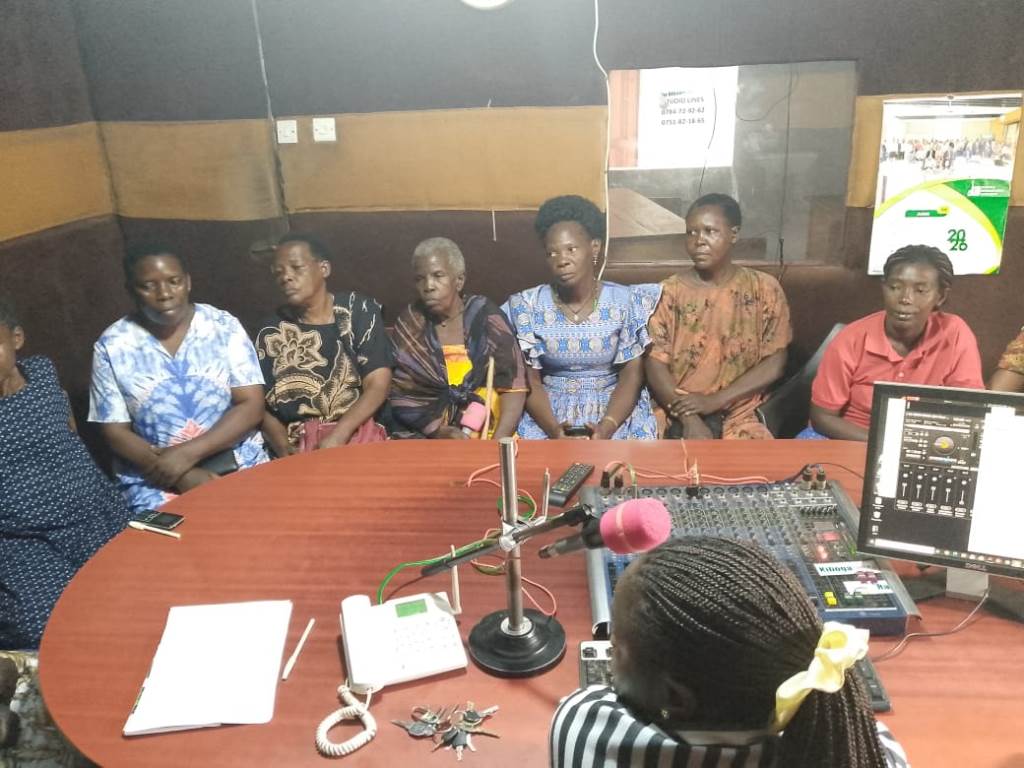
The grass root women, who convened in a meeting organized by the National Association of professional environmentalists, NAPE in May this year in Kiboga District Central Uganda, said they are still grappling with the impacts of the construction of the pipeline.
The women say the suffering is being facilitated by the delayed compensation, under valuation of their property leading to meager compensation but also climate change that has made their lives even worse.
“I can no longer grow perennial crops like I used to do before the EACOP project which has made my life misearable”Narrates elderly Regina Maria Namere of Nabulembeko village in Kyankwanzi.
Anna Mary Kityo of Kikajjo village in Kyankwanzi says life is becoming miserable because even their husbands abandoned families.
“There are now many homes being managed by women under hard conditions. Some men abandoned their homes for trading centers after getting compensation money. People were not given enough financial literacy and misused the money”, explains Mrs. Kityo.
In the meantime, these women are devising means of surviving and sustaining their families.
Betty Kampiire a resident of Kabaale village Kabaale sub county Hoima district says they have resorted to Kitchen gardening, poultry farming, and other small businesses as a way of surviving.
“From my small village saving, I started with three chickens and now I own a chicken farm of twenty”, she explained.
The women have also engaged in serious planting of indigenous tree species and fruit trees as a way of surviving drought that they say has been stimulated by the construction of the EACOP.
The meeting in Kiboga closed with a radio talk show at the Community Green Radio where the Project Affected Persons shared their survival skills with the listeners from different parts of Uganda mostly Central and Western.
In women affected by the EACOP hailed NAPE and the Community Green Radio for always standing with them and giving them the opportunity to express themselves whenever need arises.
The East African Crude Oil Pipeline (EACOP) project is approximately 75% to 84% complete. The $4 billion, 1,443km pipeline—which stretches from Hoima in Uganda to the Chongoleani Peninsula in Tanga, Tanzania—is in its final stages of construction .It covers ten districts in Uganda including Kyankwanzi and Hoima in Central and western Uganda respectively.
STORY COMPILED BY OLIVER NYAMAHUNGE
Copyright ©2026 Community Green Radio . All Rights Reserved. Designed : Lwegatech